
-
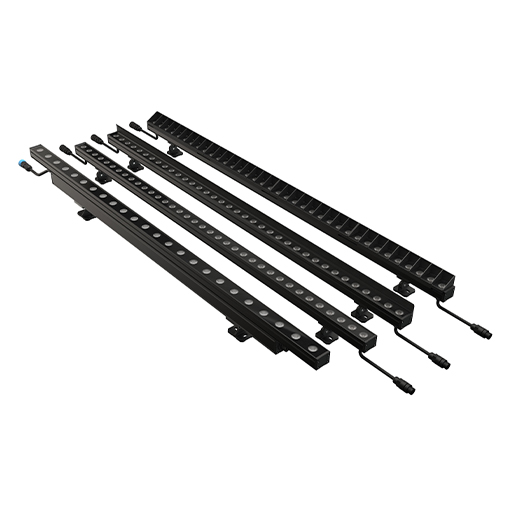
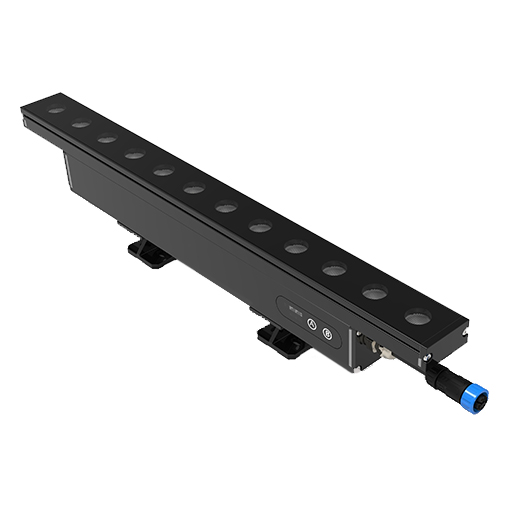
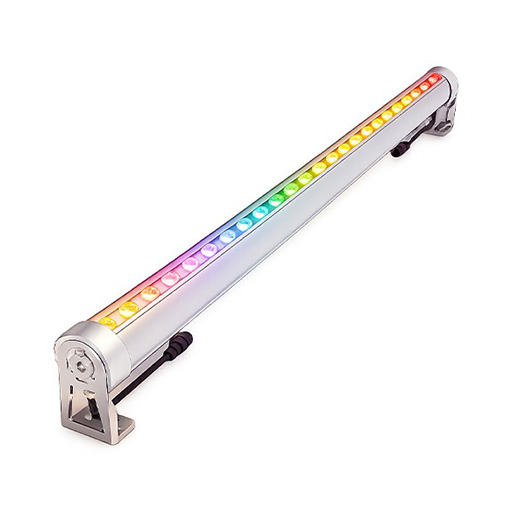
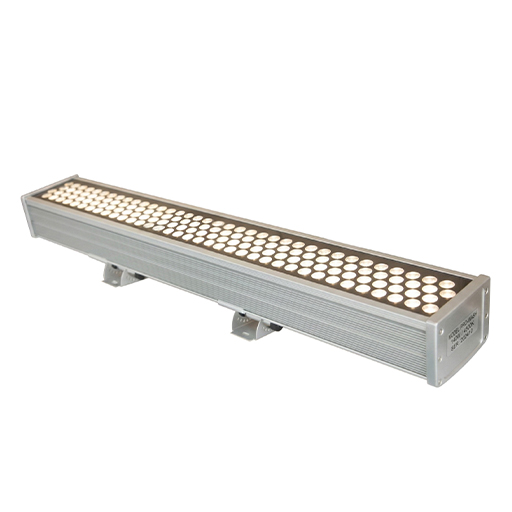
LWW-PZT-W38A
LWW-WZB-W55
LWW-OP-D80
LWW-ROWS-W150
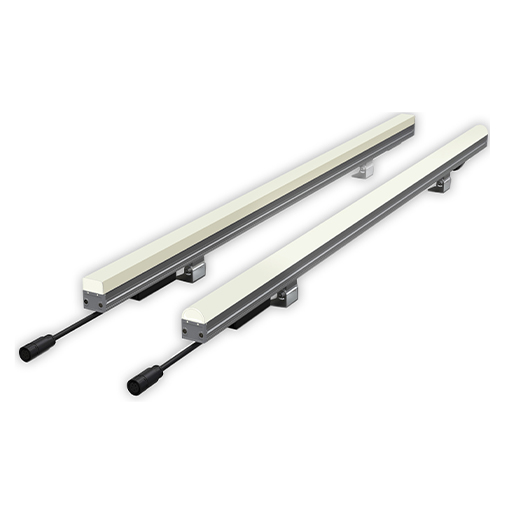
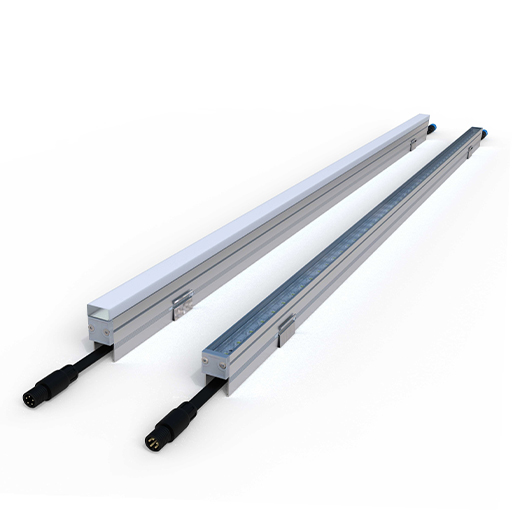
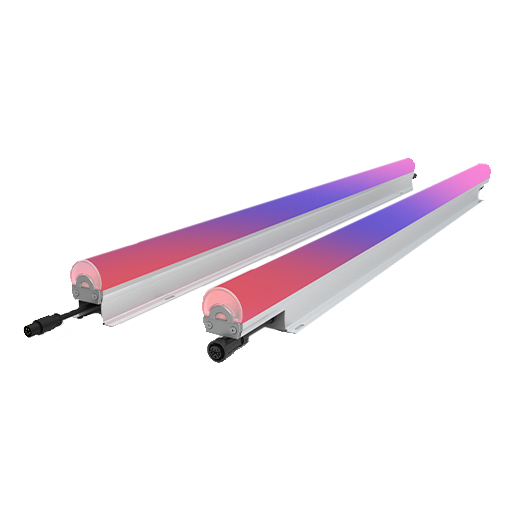
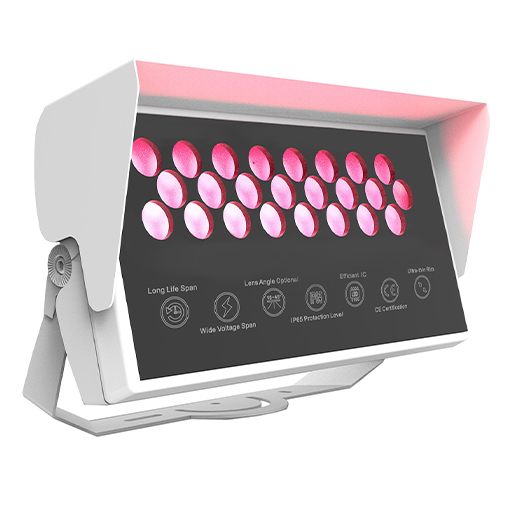
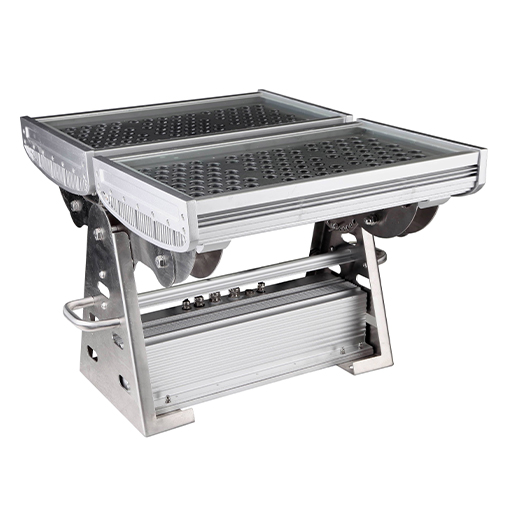
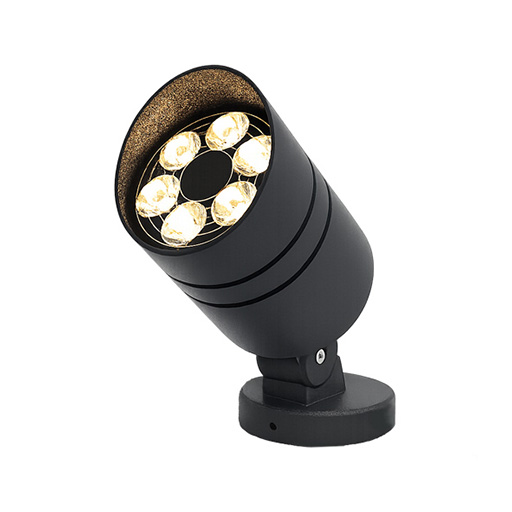
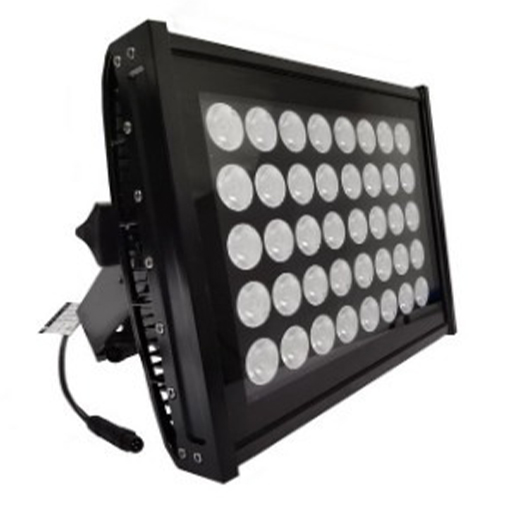
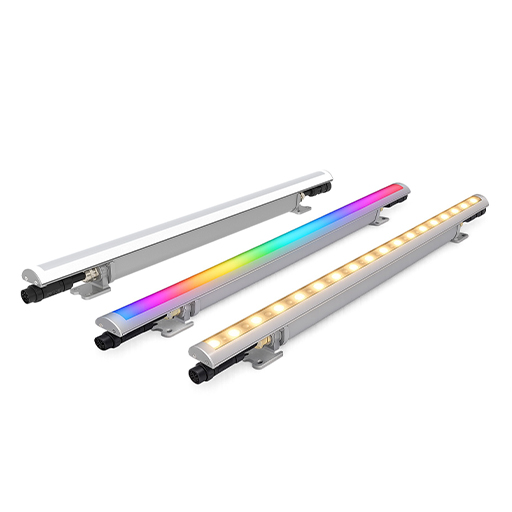
SP-DKP-F170A
SP-MEGA-F620A
SP-MEGA-F310A/B
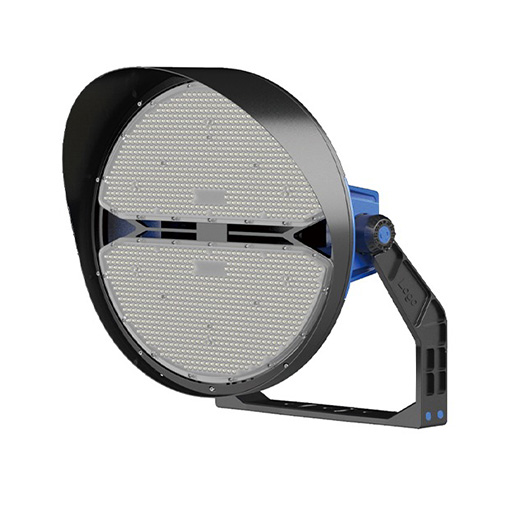
STD-YXYSW4
STD-YXYSW5
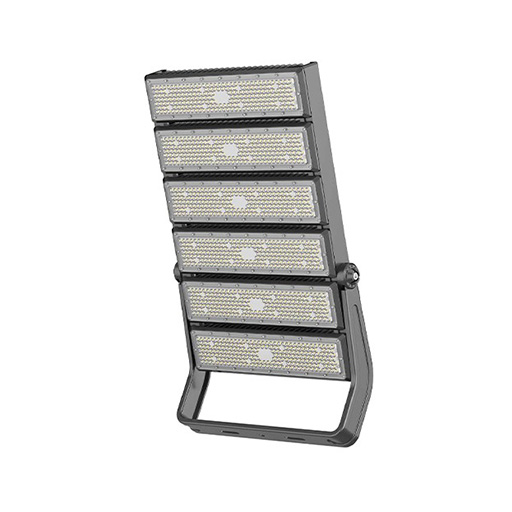
STD-YXYSW6
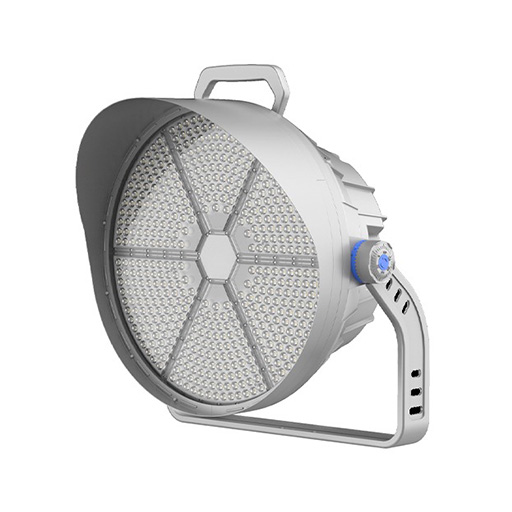
STD-YXYDF3A
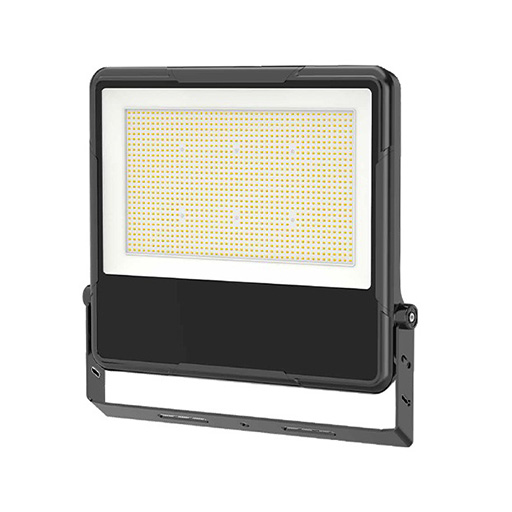
LLS-WZB-W40
LLS-OP-W30A
LLS-OP-W20
LLS-OP-D50
SP-EA-R195/R225
-
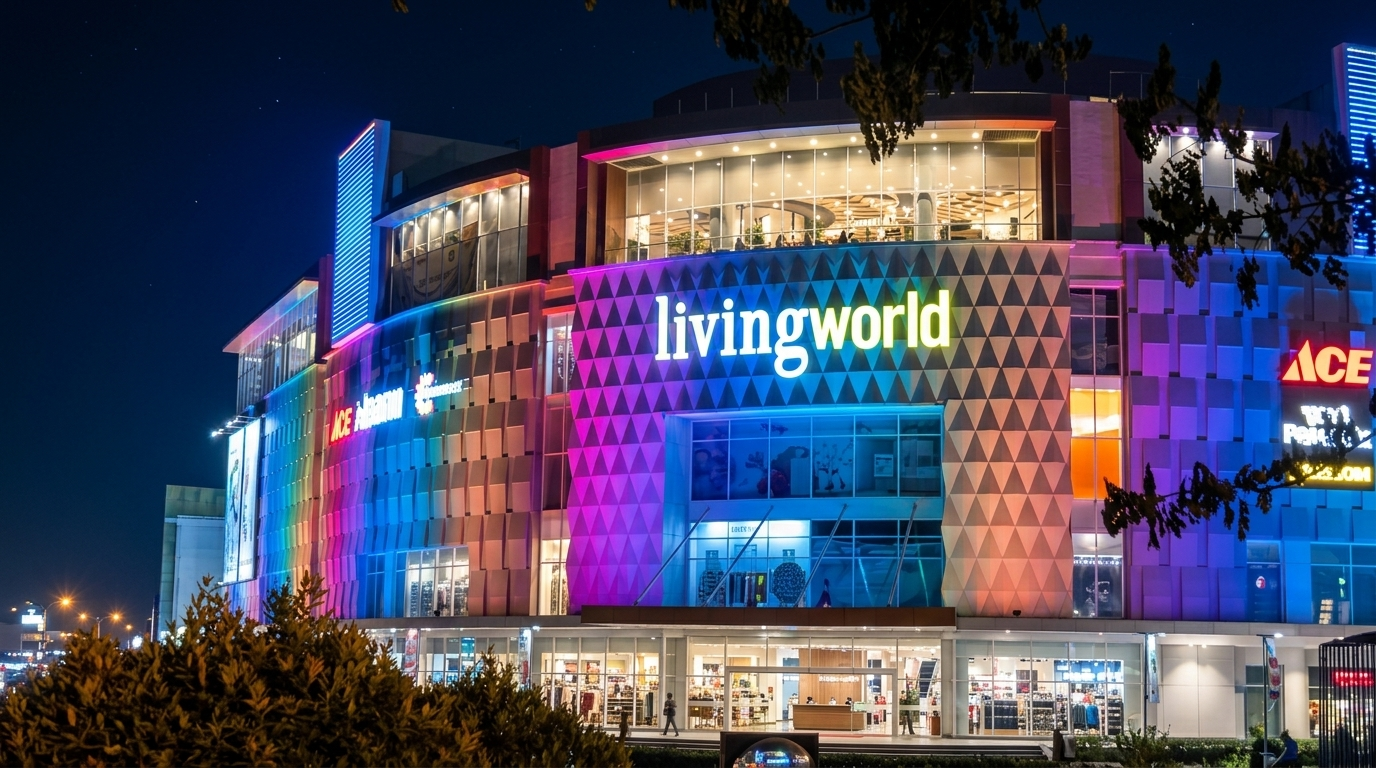
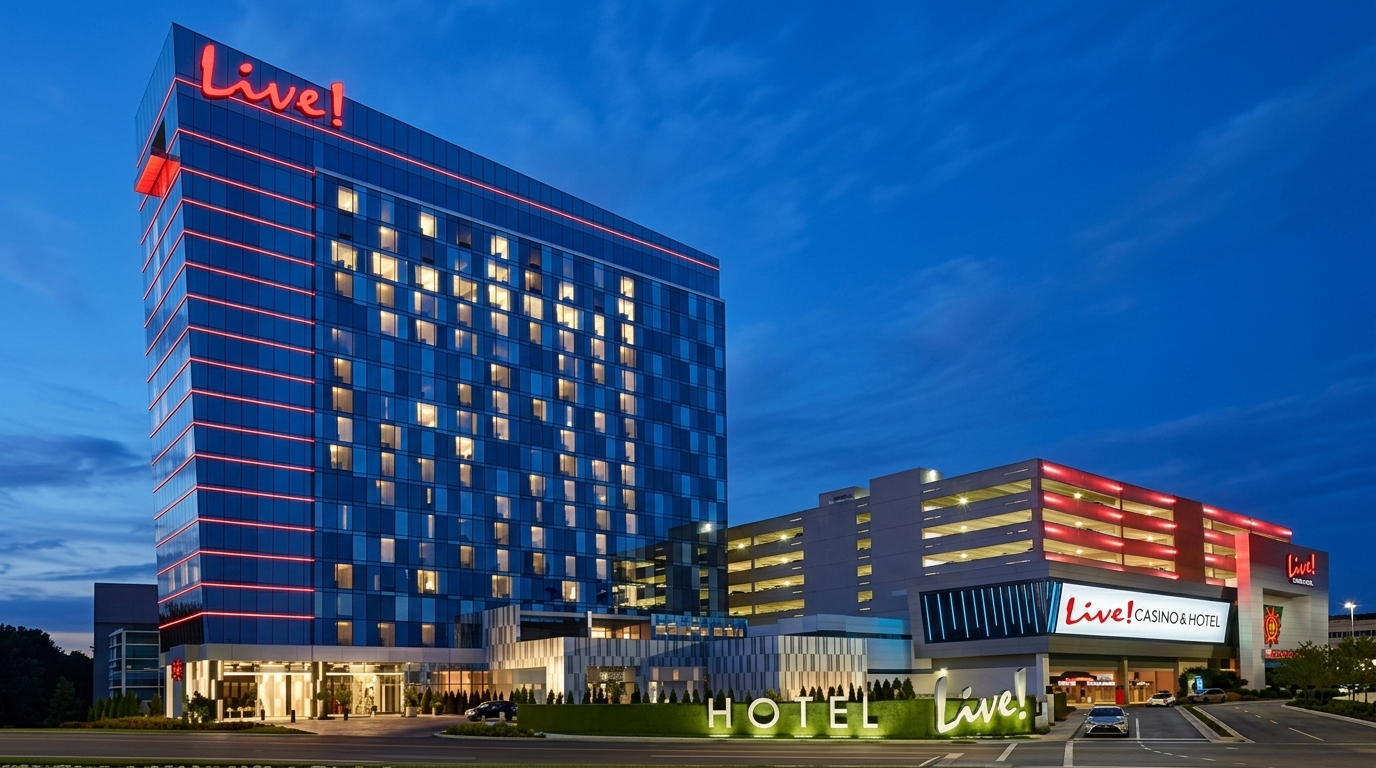
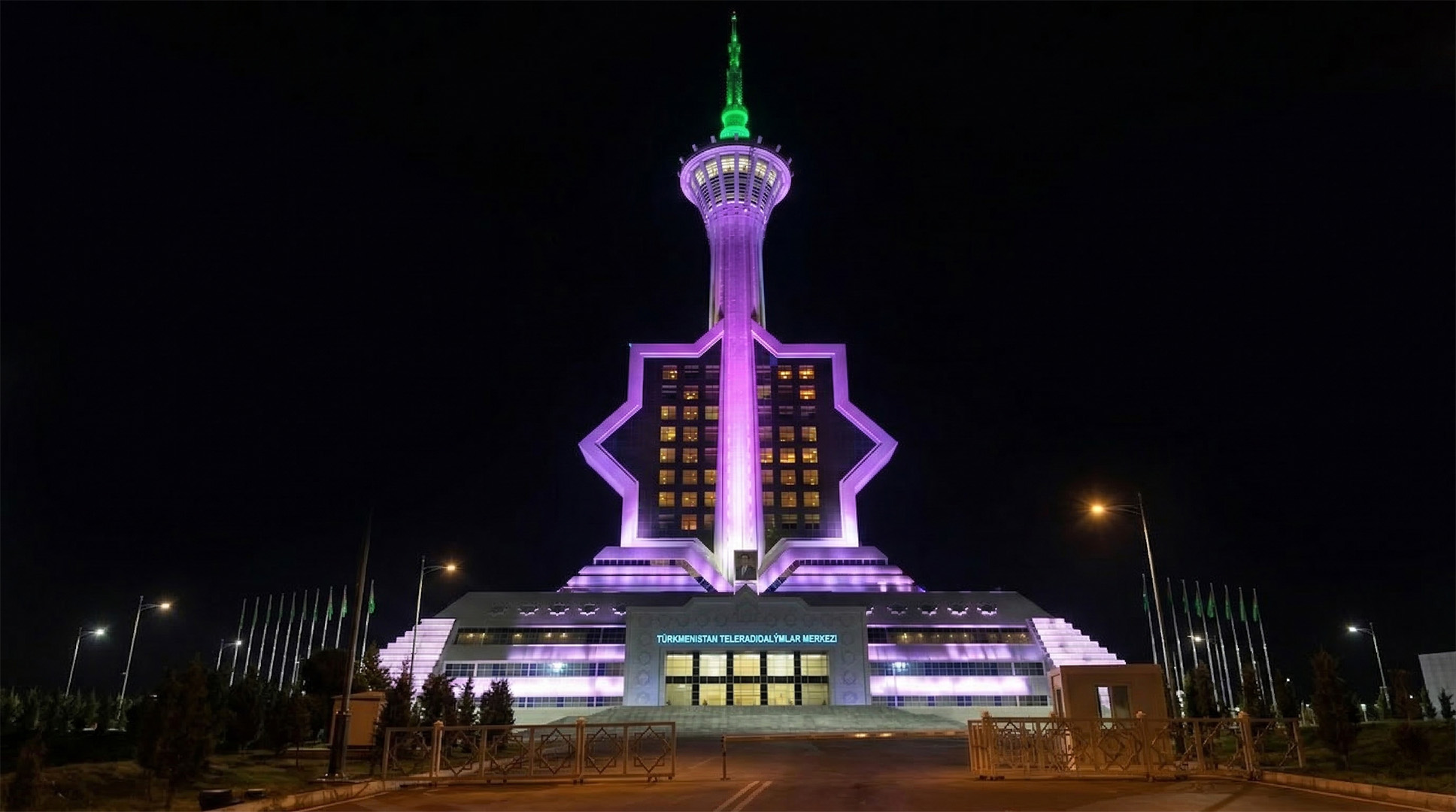
Jinyun County
Live Hotel
Living World Mall Indonesia
Turkmenistan Engineering
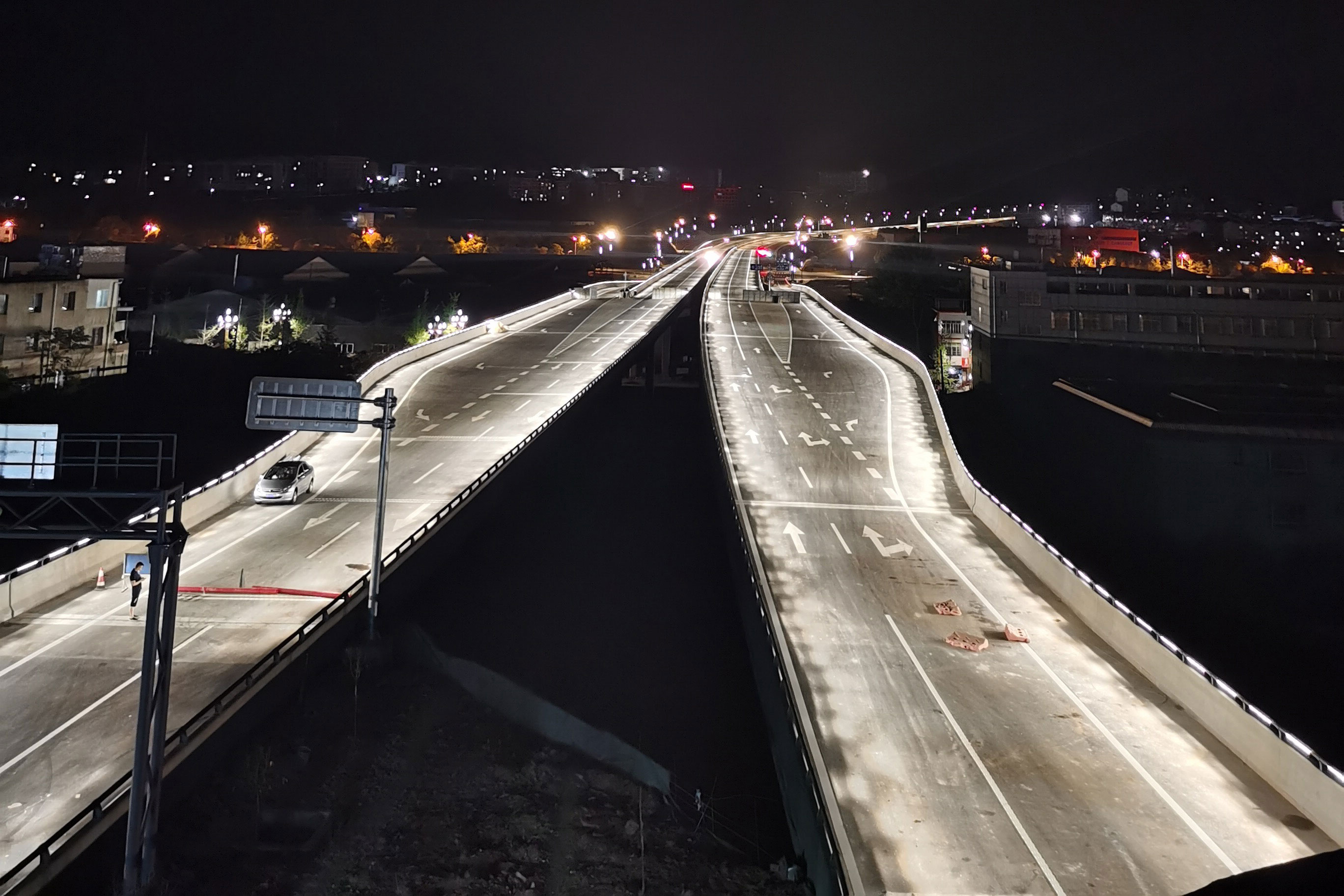
Mianyang city a ring road overpass
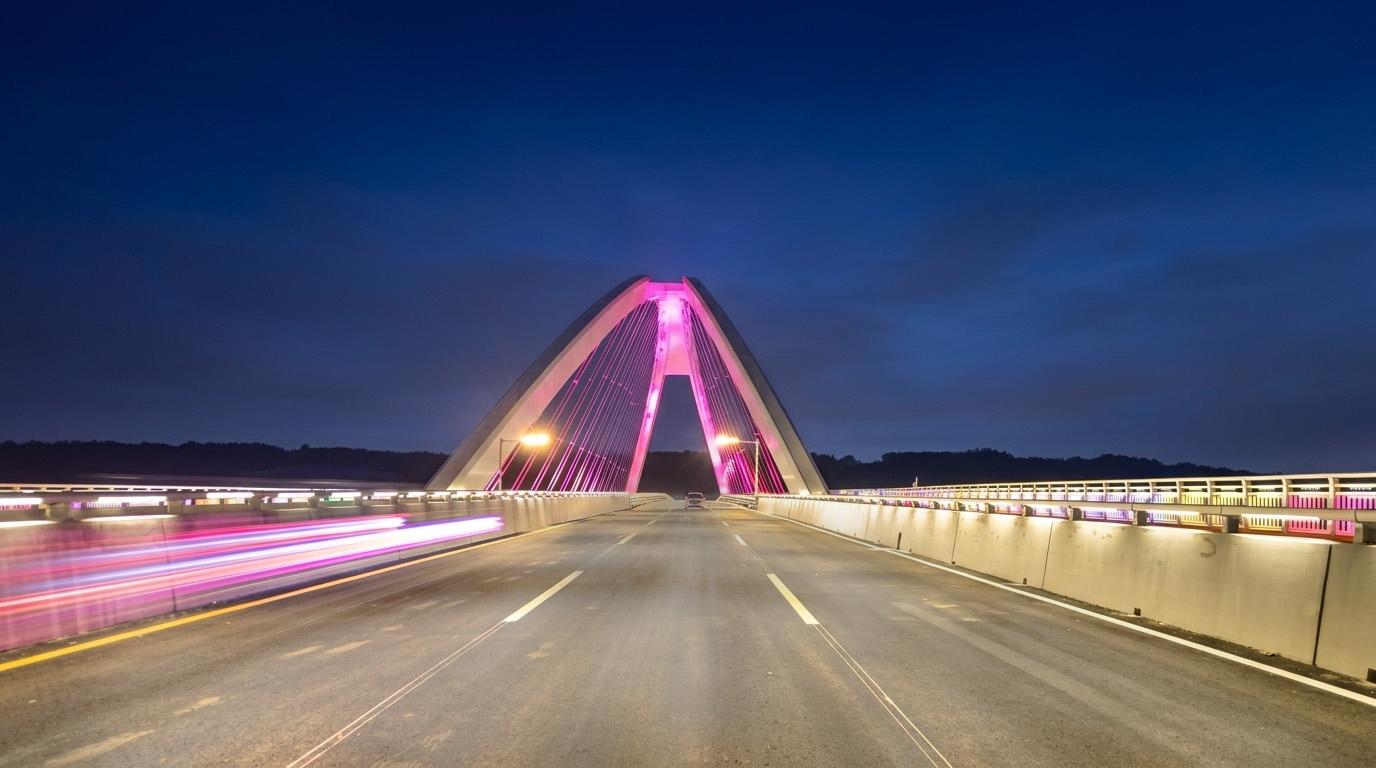
Lighting Project of Fujiang Bridge
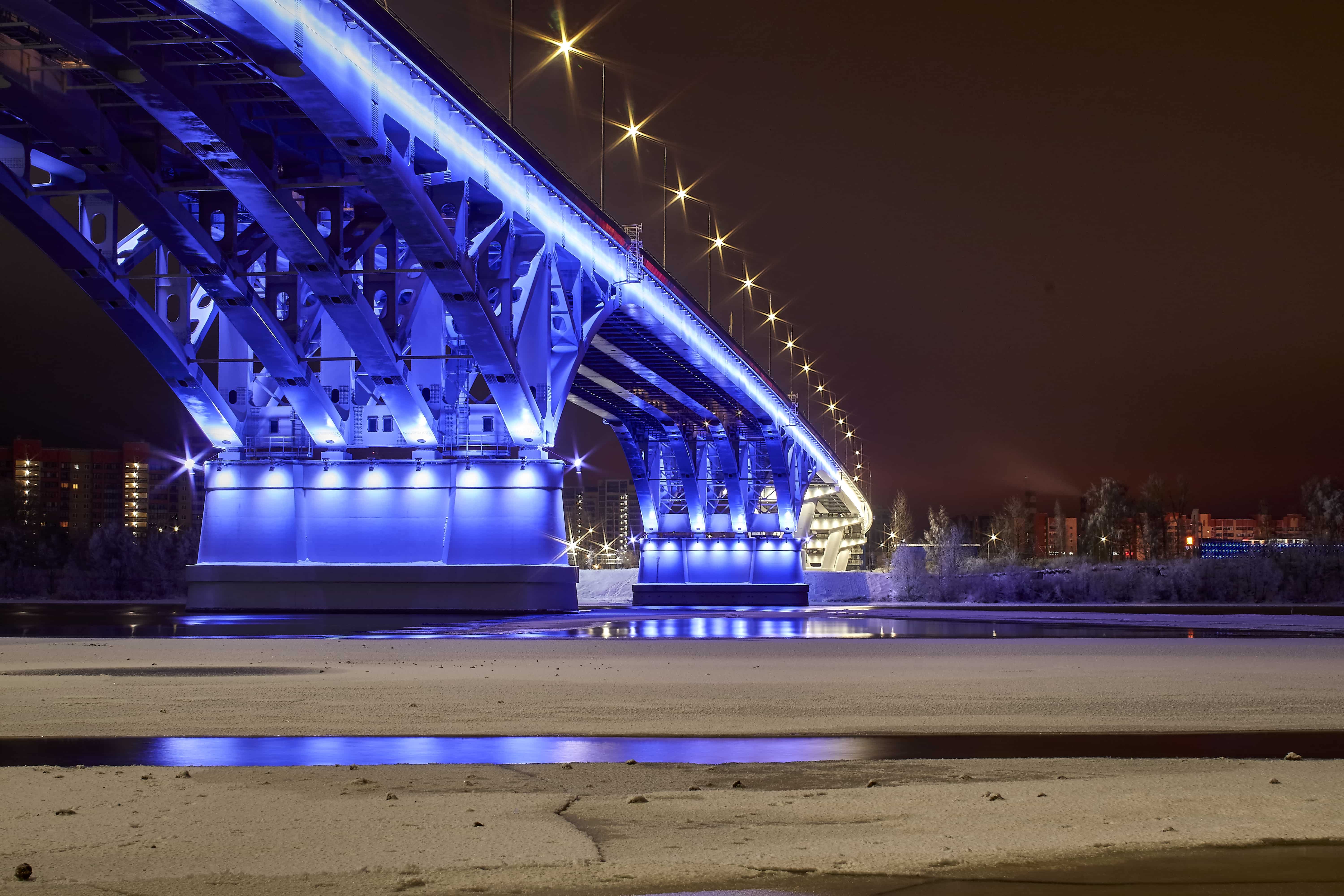
The volga river bridge
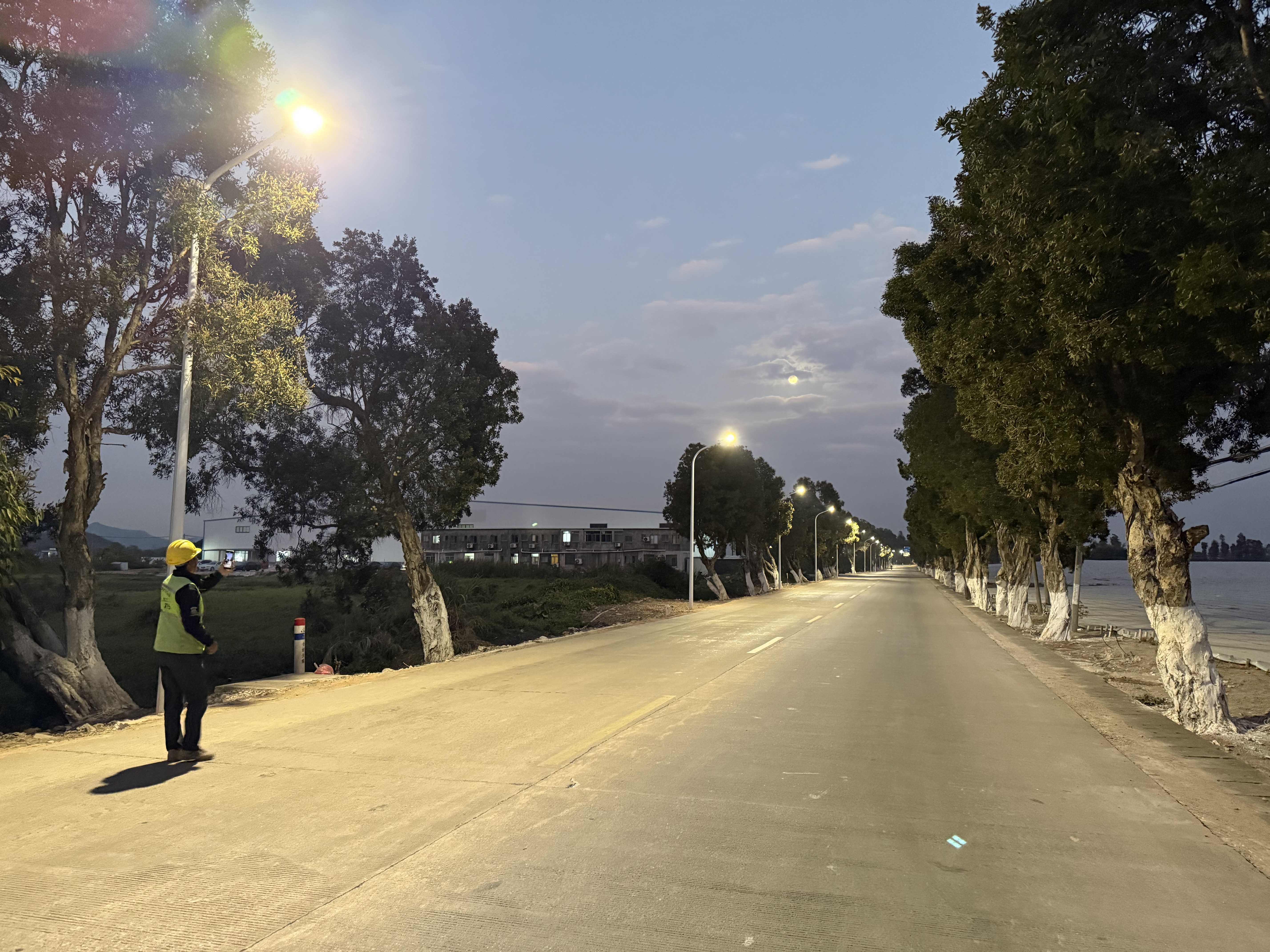
Road Lamp Project of Nanlang Village
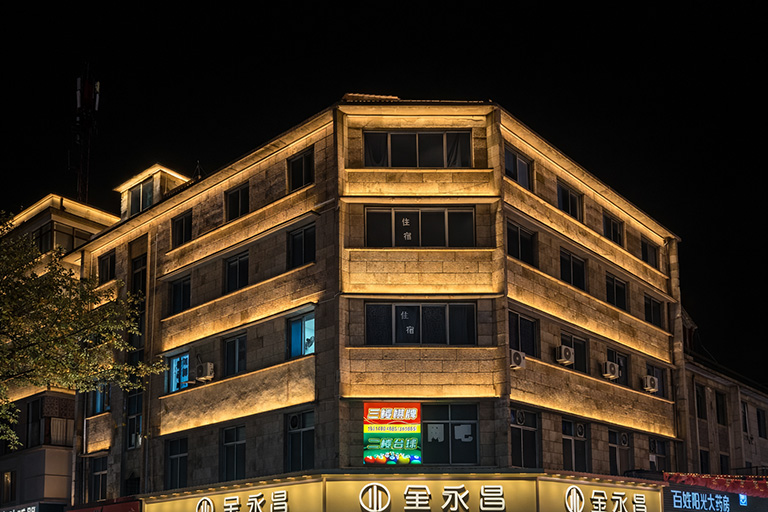
Kleanthis Vikelidis Stadium
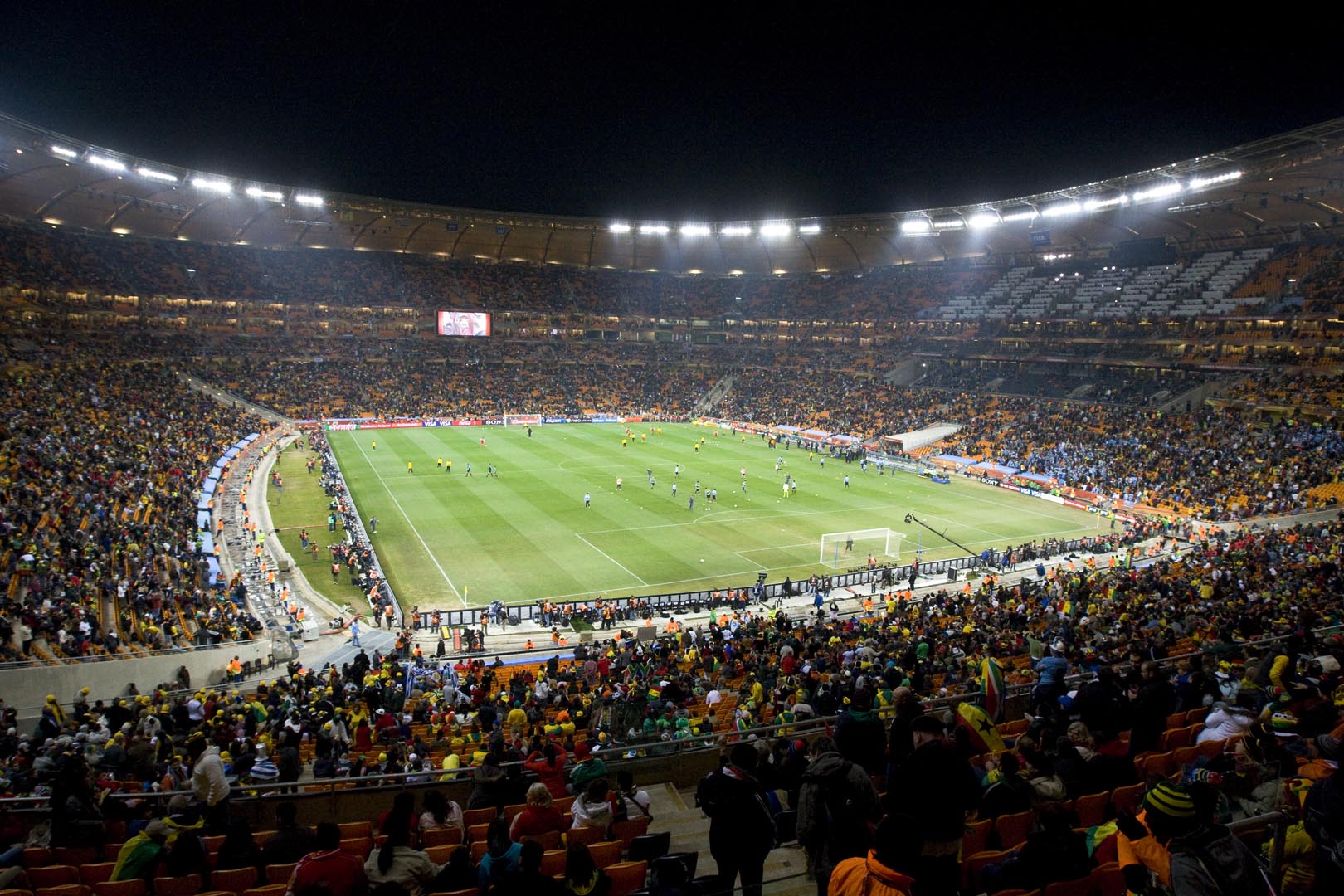
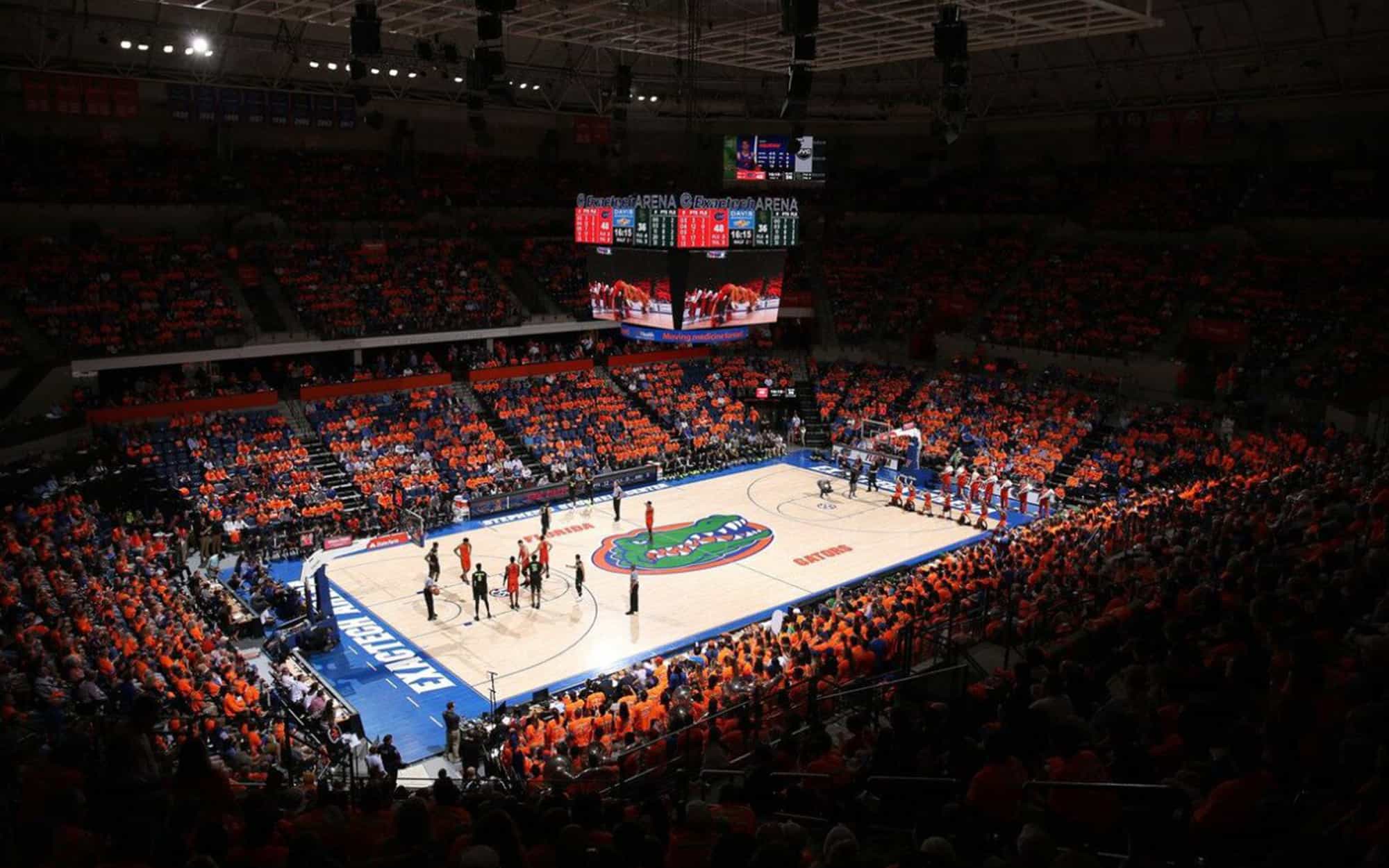
Florida Atlantic University

Shahid Nassiri Stadium
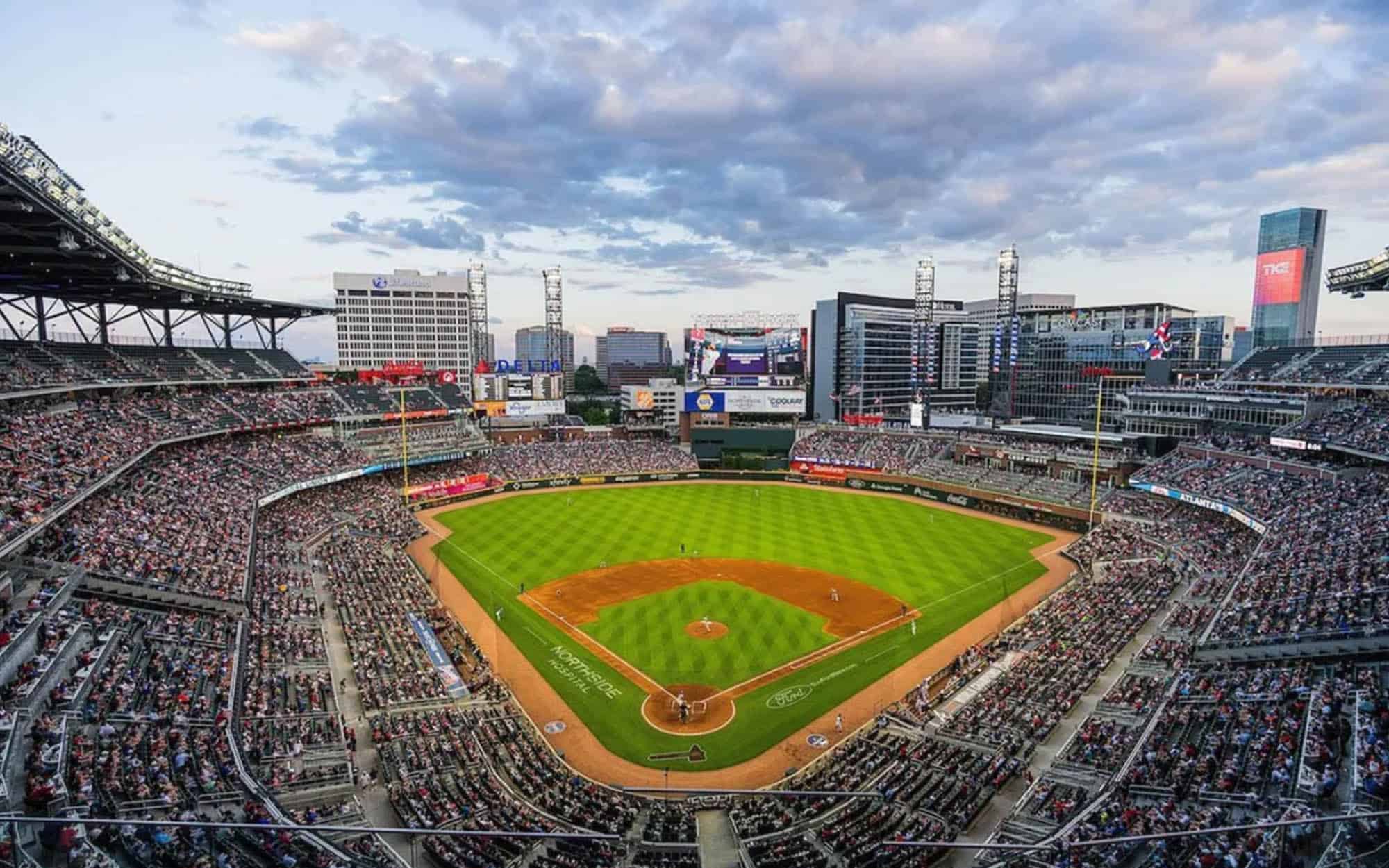
Rangers Ballpark
-

Custom Architectural Lighting & OEM Manufacturing
TPK Lighting supports contractors, distributors and project partners who need architectural lighting beyond a standard fixture. We review structure, optics, electrical configuration and OEM branding around the project environment, target market and certification route.
Years in architectural lighting manufacturing
Core customisation dimensions
Typical weeks from brief to first delivery
Typical MOQ for simple modifications
What We Customise
Most custom architectural lighting projects involve two or more of these areas. This structure helps define the requirement before sample development starts.
Form, finish & mounting
Used when the fixture must match facade material, bridge railing conditions or non-standard installation spaces.
- RAL powder coat
- Custom length
- Bracket design
- Cable entry
- Flush or surface mounting
Light distribution & effect
Used when the surface effect, throw distance or glare control cannot be met by a standard optic.
- Beam angle change
- Asymmetric optic
- Elliptical beam
- Anti-glare louvre
- Custom CCT
Power, dimming & protocol
Used when the project needs a different wattage, voltage or control logic to match the system architecture.
- 12V / 24V / 48V
- 100–277VAC
- DMX512
- DALI-2
- 0-10V / PWM
Your brand, our manufacturing
Used by distributors and lighting brands that need reliable OEM architectural lighting manufacturing in China.
- Product label
- Laser marking
- Custom packaging
- Branded spec sheets
- NDA available
From Requirement Brief to Delivered Product
A fixed development path reduces ambiguity, aligns scope early and avoids unnecessary sample revisions. Timelines vary by complexity, certification scope and quantity.
Requirement review
Send the application, target market, quantity estimate, installation condition and any drawings or photos you already have.
Technical feasibility proposal
We confirm what can be modified, which base product is suitable, the likely MOQ range, indicative pricing and the development route.
Sample production and evaluation
Samples are produced for visual, structural and functional review before mass production. Optical effect, finish detail and control behaviour are verified here.
Mass production
After sample approval, production starts under the agreed specification with electrical testing, optical verification, aging test and project-specific packing preparation.
Delivery and after-sales coordination
Products are delivered under agreed terms, with documentation and technical follow-up support for installation or commissioning coordination where required.
Project Types That Usually Need Custom Review
Customisation is most useful when installation conditions, control architecture or brand requirements cannot be solved by a catalogue model alone.
Facade lighting
Special beam angles, custom housing colours, concealed mounting or glare control for building surfaces.
Bridge lighting
Long-distance DMX, railing brackets, anti-corrosion materials and installation constraints.
Landmark lighting
RGBW scenes, custom optics, wiring constraints and documentation for project approval.
Private label supply
Branding, packaging, technical documents and product-line continuity for channel partners.
Custom Solutions in Real Projects
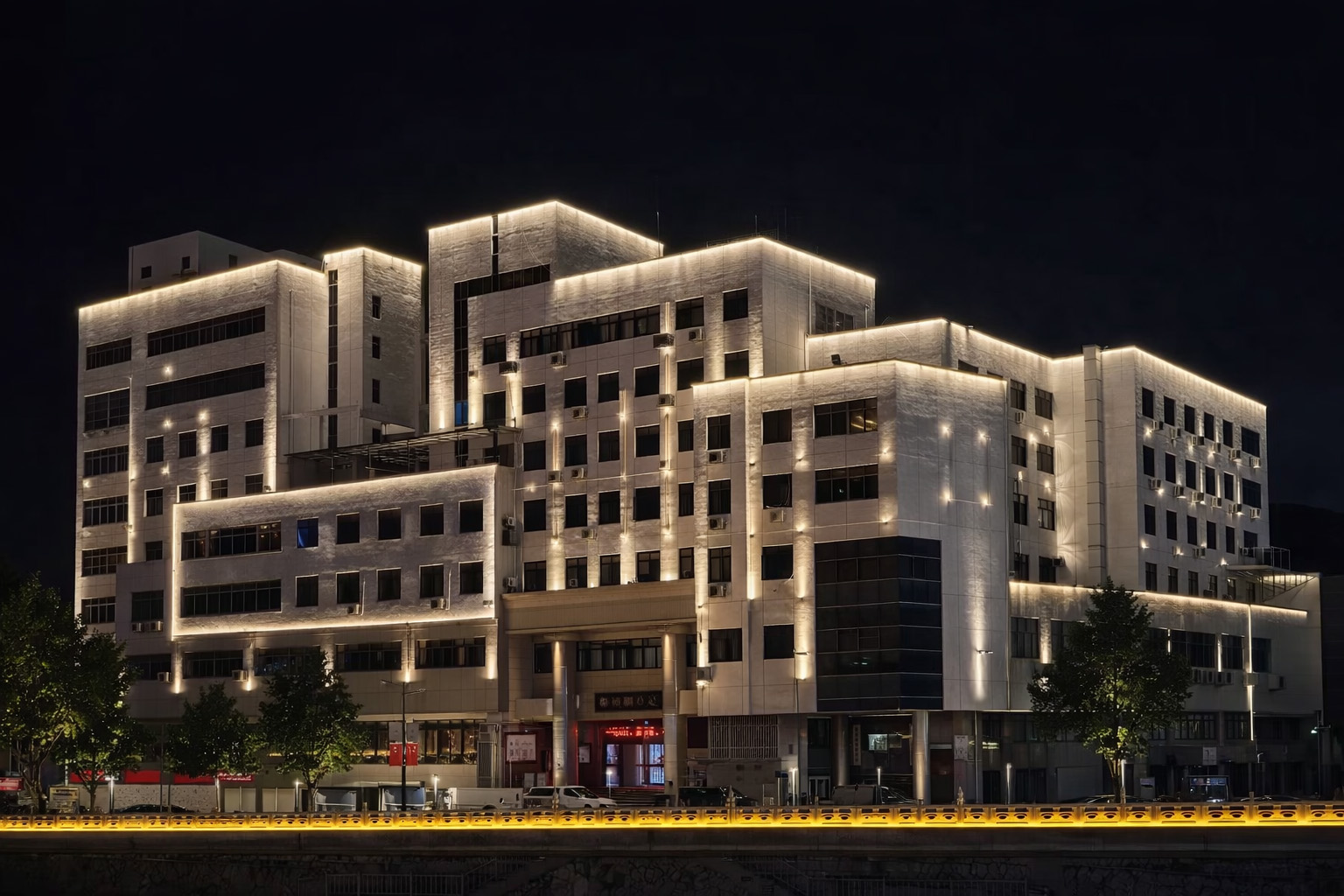
Reference projects showing how wall washer, linear light, control and mounting adjustments are used in bridge, facade and landmark lighting.
View global projects

Capability Specifications for Custom LED Lighting
These are typical reference ranges, not hard limits. Final feasibility depends on the selected base model, project environment and certification scope.
Housing & structural modifications
| Housing colours | Any RAL number, standard and special finishes |
|---|---|
| Finish types | Matt, satin, textured, metallic |
| Linear light lengths | Custom from 200 mm to 2000 mm |
| Wall washer size range | Typically within ±30% of base model dimensions |
| Bracket materials | Aluminium or 316 stainless steel |
| IP direction | IP65 / IP67 / IP68 by design route |
Optical modifications
| Beam angle range | 5° to 120° depending on product family |
|---|---|
| Distribution types | Symmetric, asymmetric, elliptical and special layouts |
| CRI options | CRI 80 / 90 / 95+ on request |
| Colour temperature | 2200 K to 6500 K, including custom CCT route |
| MacAdam step | ≤3 SDCM standard, tighter control on request |
| Anti-glare options | Frosted lens, louvre, flush lens, honeycomb and shield variants |
Electrical & control modifications
| Input voltage | AC 100–277V or DC 12V / 24V / 48V |
|---|---|
| Wattage variants | Custom intermediate power levels by feasibility review |
| Dimming protocols | DMX512, DALI-2, 0-10V, PWM, Triac |
| Channel logic | Standard and custom RGBW mapping |
| Long-run DMX | Signal conditioning planning for extended cable distance |
| Driver direction | Selected to match environment, control and efficiency needs |
OEM and production terms
| MOQ — colour change | Typically 50–100 units |
|---|---|
| MOQ — structural change | Typically 100–200 units |
| MOQ — full OEM | Typically 200+ units |
| Sample lead time | Usually 15–20 working days |
| Production lead time | Usually 20–30 working days after approval |
| NDA | Available on request before detailed development discussion |
FAQ for Custom Architectural Lighting
Questions commonly raised by engineering teams, distributors and OEM buyers before a custom fixture is developed.
What can TPK customise on an architectural lighting fixture?
TPK can customise housing and bracket structure, optical distribution, electrical or control configuration and OEM branding. Many projects combine more than one of these dimensions.
What is the minimum order quantity for custom LED lighting products?
Simple colour or label changes often start from 50–100 units. Structural modifications usually require 100–200 units. Full OEM architectural lighting projects generally start from around 200 units or above.
How long does custom product development usually take?
A typical route includes requirement review, feasibility proposal, sample production, approval and mass production. Many projects take roughly 8–10 weeks from first brief to first delivery.
Can TPK support ETL or CE requirements for custom products?
In many cases, yes. The exact route depends on whether the custom change affects the certified structure or electrical system, so this should be reviewed during the proposal stage.
Can TPK work as an OEM architectural lighting manufacturer for my brand?
Yes. We support OEM architectural lighting production with custom labels, packaging and technical documents. NDA discussion and exclusivity scope can be handled before detailed development work starts.
What information should I send before feasibility review?
Send the product type, target application, what needs to change, target market, certification requirement, quantity estimate, timeline and any photos or drawings of the installation condition.
Need an engineering opinion first?
Send a short description by WhatsApp before filling in the full brief.
View standard products
Check whether an existing wall washer, linear light or spotlight already fits.
View lighting solutions
Compare project-type requirements before deciding on custom development.
View technical resources
Review catalogues and reference materials before locking the specification.
Tell Us What Your Project Needs
This form is suitable for custom LED wall washer, linear light, spotlight, floodlight and control-related enquiries. Submit prepares an email draft to ES2@topkinglite.com.
A rough brief is enough for first review.
Send the requirement even if it is still early stage. A note such as “black RAL wall washer for bridge project in Europe, ETL or CE to be confirmed” is enough to start the first review.
- Application or project type
- Base product or product family
- What needs to change
- Target market and certification direction
- Quantity estimate and timeline
- Drawings, photos or reference specifications if available
Not Every Project Needs Custom Development
If a standard product can already meet the beam angle, mounting and control requirement, that route is usually faster and more cost-efficient. We recommend comparing both paths before confirming development scope.
Browse standard products
Check whether an existing wall washer, linear light or spotlight already fits the project.
View technical resources
Review catalogues, specifications and reference materials before locking the direction.
Ask which route is better
Tell us the application and quantity. We will advise whether custom or standard is the right direction.